I often get comments from people on some of my more political posts asking why, on a tattoo focused page and blog, do I post anything political? In this blog post I will answer that question with a very brief introduction to the politics of tattoos. I must stress BRIEF, this is by no means a full examination of tattoos and politics. Scroll to the bottom for suggestions on where to learn more.
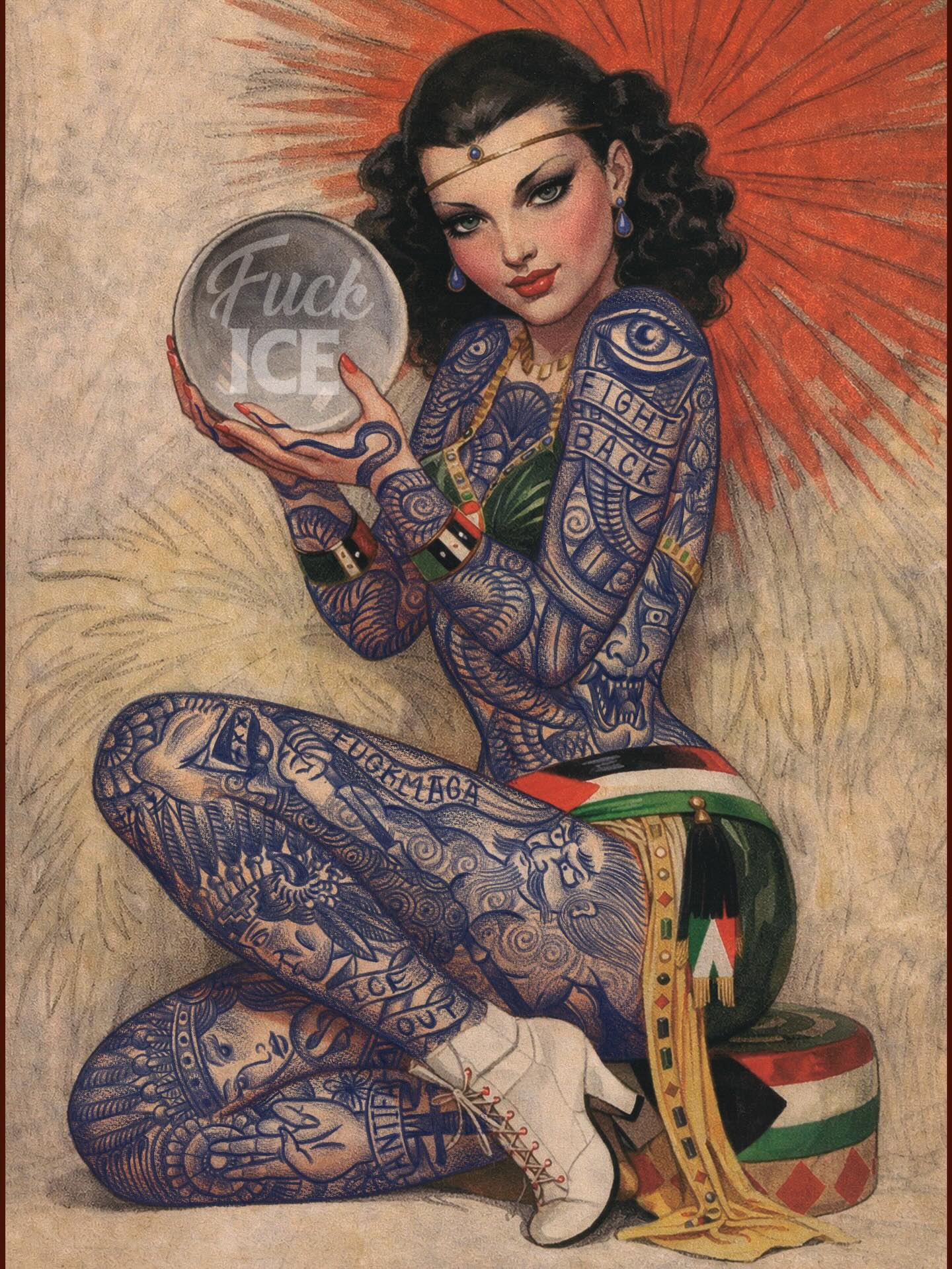
To start let’s look at the word stigma. “Stigma is a mark of disgrace, shame, or intense disapproval directed at a person or group based on specific characteristics like health conditions, status, or appearance. It involves negative attitudes, stereotypes, and discrimination that can lead to social isolation, reduced opportunities, and reluctance to seek help.” – Merriam-Webster +5 The etymology of the word stigma shows that the word actually originally referred to “the mark of a pointed instrument, tattoo-mark or brand.” The definition of this word alone more or less answers our question but let’s keep digging.
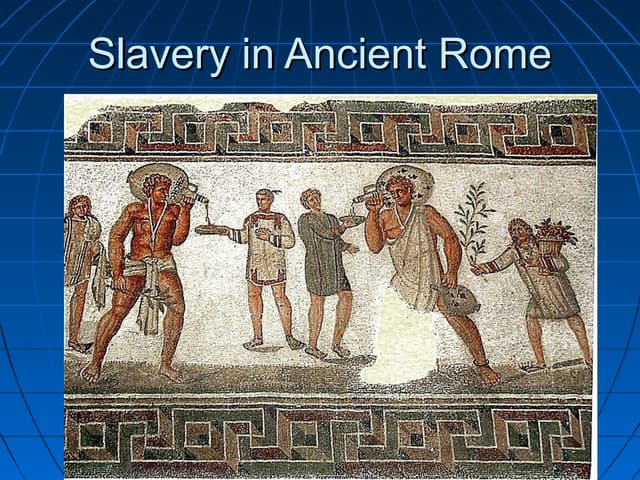
In the ancient world, we’re talking 500 BCE and onwards, the Greeks learned tattooing as a form of punishment from the Persians, according to historian Herodotus. They tattooed everyone from caught criminals, slaves and enemies defeated in battle. This practice was also common in ancient China and Japan, particularly tattooing criminals.
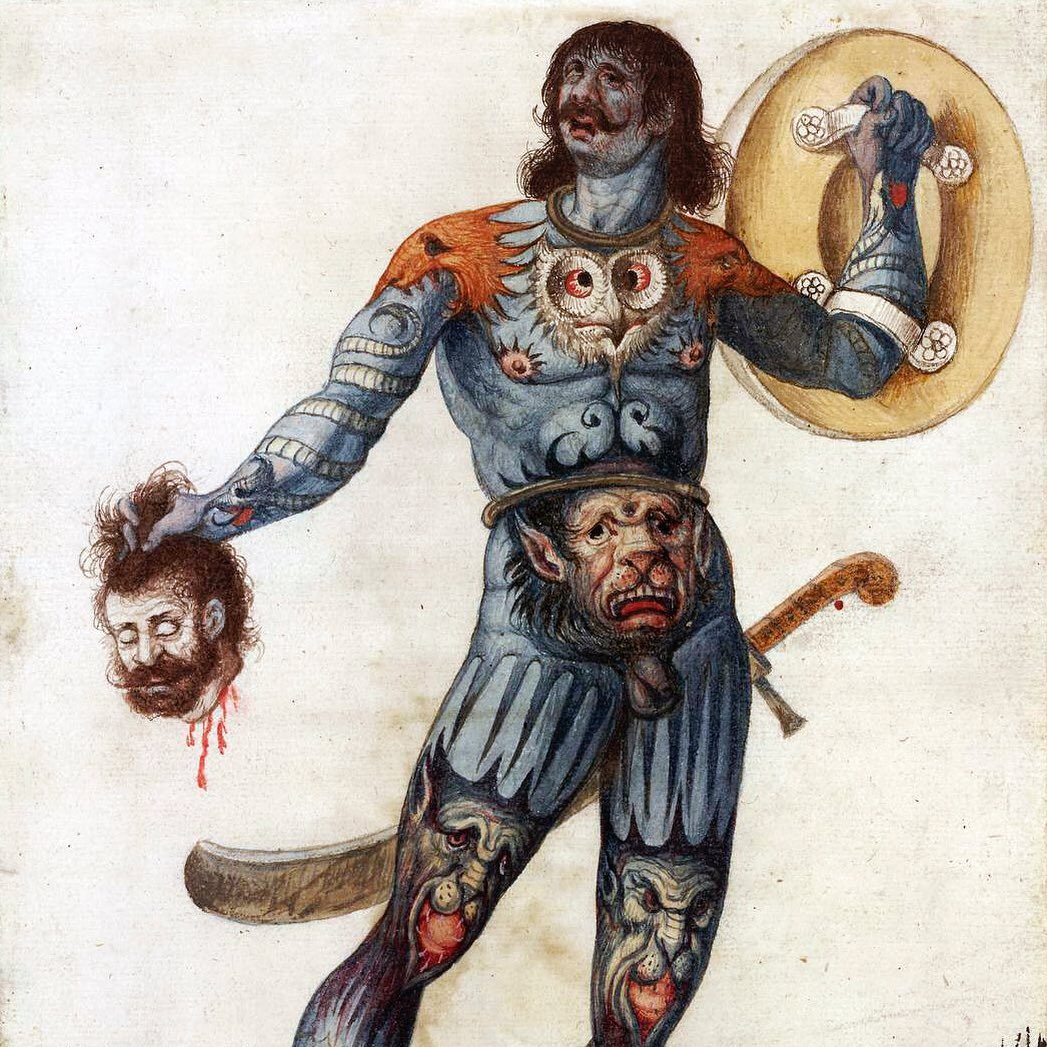
Now of course not all cultures of the ancient world were tattooing in a purely punitive manner. Plenty of peoples got tattooed for beauty, status and pride such as the Picts, Celts, Britons, Māori, the peoples of Polynesia, Central and South Americas and many more. Practically any Indigenous group of people in almost any part of the world has used tattooing as a form of culture and community at some point in history (do your own research on that, don’t be lazy).
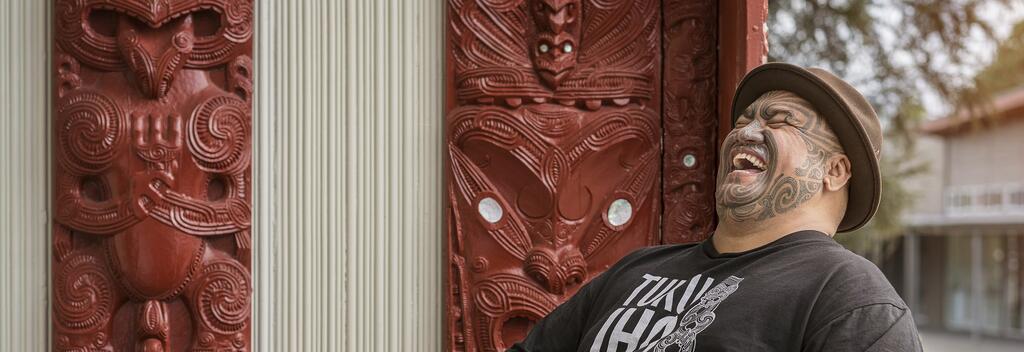
Māori tattooing is quite fascinating because right now it is coming back into popular New Zealand culture after hundreds of years of suppression at the hands of Christian colonialists. In particular the meaningful practice of tā moko was outlawed by colonialists who thought it un-Christian. Māori people brought Polynesian tattooing with them to New Zealand approximately 1000 years ago and is an important and sacred custom that is being reclaimed today. While these tribal and geometric designs can adorn any part of the body, the face tattoos are what was banned by colonialists and are what are now becoming an important part of Māori culture once again. The Māori are not the only peoples to reclaim previously banned tattoos (always by colonialists) but are a prominent example.
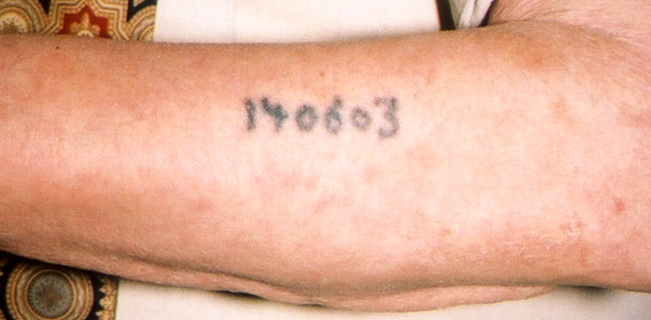
Jump to WWII and of course we can all see the obvious corraltion between tattooing and politics because the Nazis tattooed prisoners of the concentration camps with numbers. This was done both as a way to dehumanize people further, as well as a method of tracking prisoners. Today while fascism is on the rise in many parts of the world, some descendants of survivors are even getting their ancestors numbers tattooed on them as a way to honour them and remember the horrors of the holocaust.
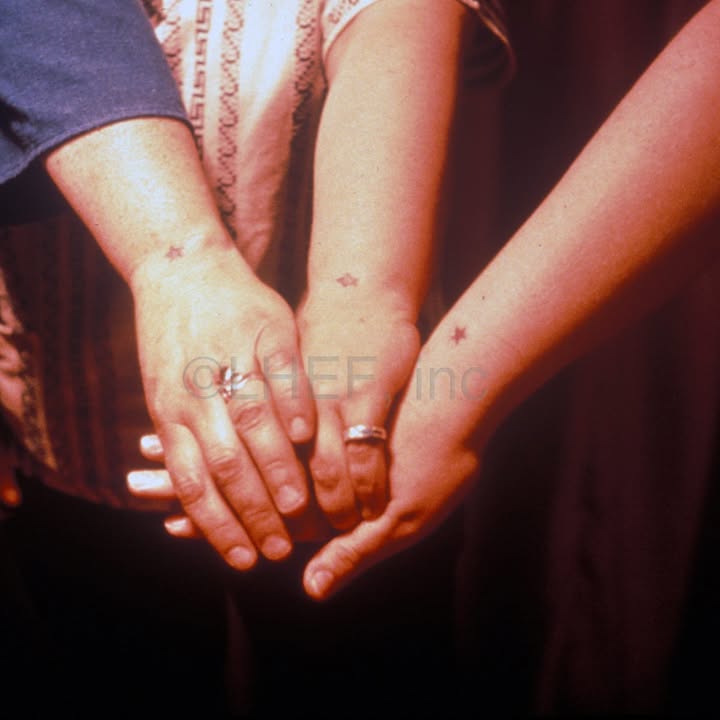
WWII tattoos done on mainly American and British military personell are typically seen as quite macho and traditionally manly, and while American traditional tattoos do often have a more “straight male aesthetic” some of the designs we see as such were actually popularized by gay sailors. Such as certain animals like swalows or butterflies being used as coded symbols to other queer sailors. Nautical stars worn on the wrist by lesbian women mainly in the 1950s were also a code to show other women you were gay as well as a sign of solidarity, but could be easily covered by a wrist watch or bracelet. This tattoo trend specifically started at “Dirty Dicks” tattoo shop on Chippewa Street with simple stars that later developed into the nautical star.
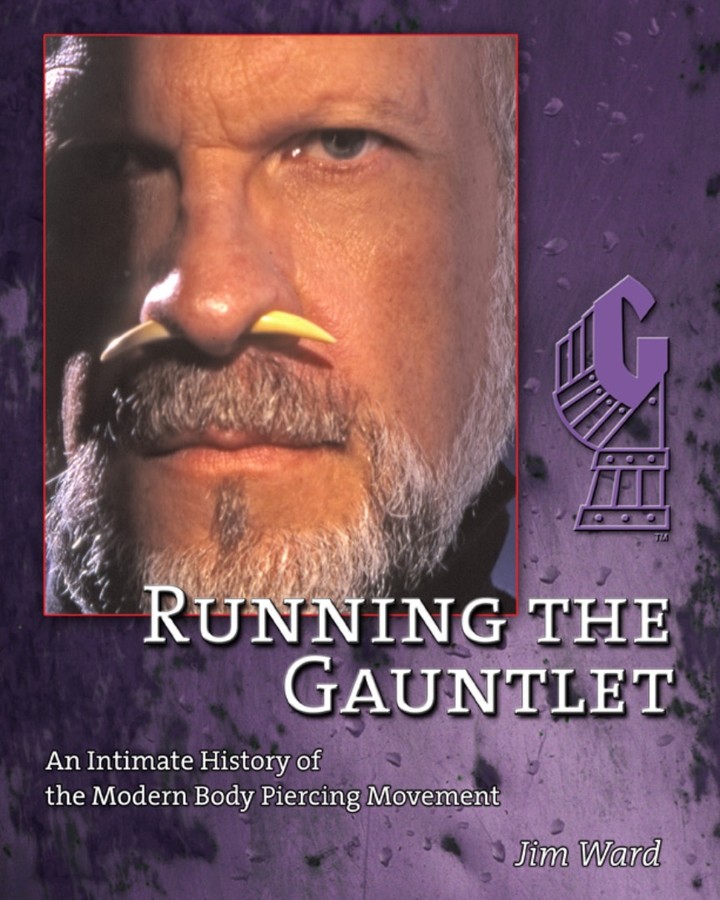
Jump again to the 1970s and right into the first piercing shop in the US, owned by Jim Ward, a gay man who learned piercing as part of the queer and kink communities of California. Piercing of course intersected with tattoos, and many people in the LGBTQ+ community found themselves with body art of some kind. For trans people in particular the act of tattooing can be particularly powerful as you are choosing the way you want your body to look and even be perceived to a degree.
Now tattoos really are for everyone, which is super cool! But it’s important to recognize that tattoos came from Indigenous peoples of the world first, then were used as punishment, were taken away by colonialists, and were reclaimed by marginalized groups such as the LGBTQ+ communities and underground music and art scenes of the world. Tattoos are fun, but are often done as a form of protest or as a way to reclaim culture. So next time someone says something stupid like “tattoos aren’t political”, educate the idiot.
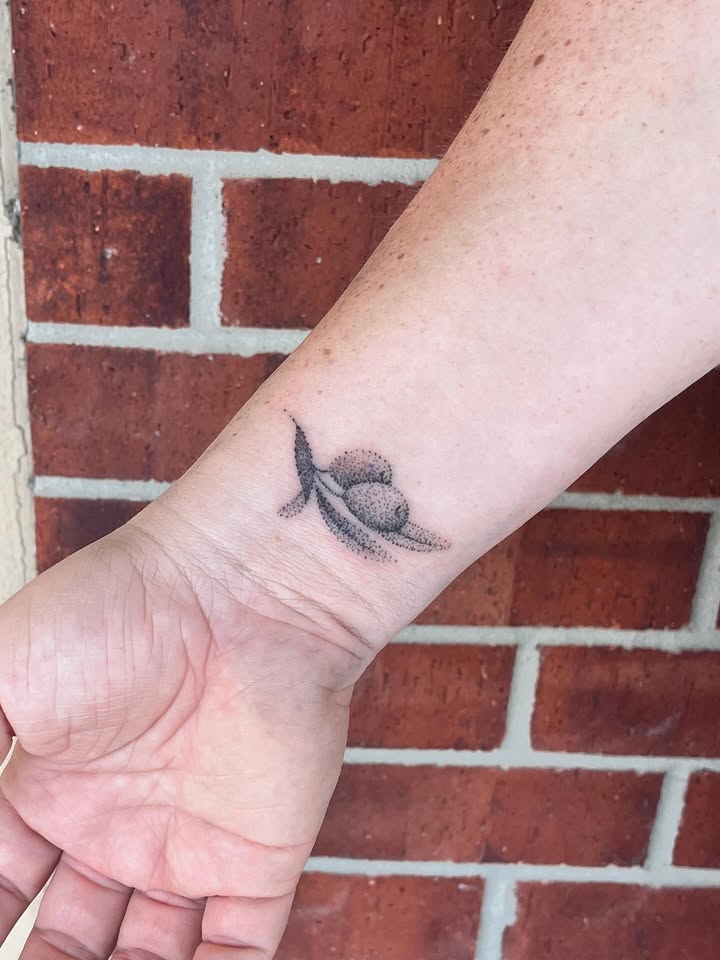
as an act of resistance and solidarity with the Palestinian people through this ongoing genocide
If this interested you, check out the books “Covered in Ink: Tattoos, Women and the Politics of the Body By Beverly Yuen Thompson”, “The flesh made word: tattoos, transgression, and the modified body By Christine Rosen, Running the Gauntlet by Jim Ward and “Painted People Humanity in 21 Tattoos By Matt Lodder”
As well as the websites https://www.newzealand.com/ca/ https://antigonejournal.com/2023/03/stigma-ancient-tattoos/ https://www.smithsonianmag.com/history/why-descendants-of-holocaust-survivors-are-replicating-auschwitz-tattoos-180983648/ https://honisoit.com/2021/11/body-art-a-history-and-analysis-of-queer-body-modification/ https://www.ngamanuatoi.co.nz/?utm_source=ig&utm_medium=social&utm_content=link_in_bio&fbclid=PAZXh0bgNhZW0CMTEAc3J0YwZhcHBfaWQMMjU2MjgxMDQwNTU4AAGnyVXjOJrEqj_z_ZmCJoYdFTEF7LXwhydmG82ONXW29z_DA2TxfKPsIbNGEs8_aem_M57NSGc-mtsrTRQGbfCu7Q https://www.pride.com/culture/lesbian-star-tattoo-explained#rebelltitem4


